
Article
The construction industry is one of the most hazardous sectors, making Health, Safety, and Environment (HSE) practices essential for preventing accidents and ensuring worker safety. Implementing strong safety measures not only protects workers but also improves project efficiency and compliance.
1. Common Construction Hazards
Construction sites are exposed to multiple risks such as falls from height, electrical hazards, heavy machinery accidents, and exposure to harmful substances. Identifying these hazards early is key to preventing incidents.
2. Risk Assessment and Method Statements (RAMS)
Before starting any task, a proper risk assessment should be conducted. Method statements help define safe working procedures and ensure all workers understand the risks involved.
3. Personal Protective Equipment (PPE)
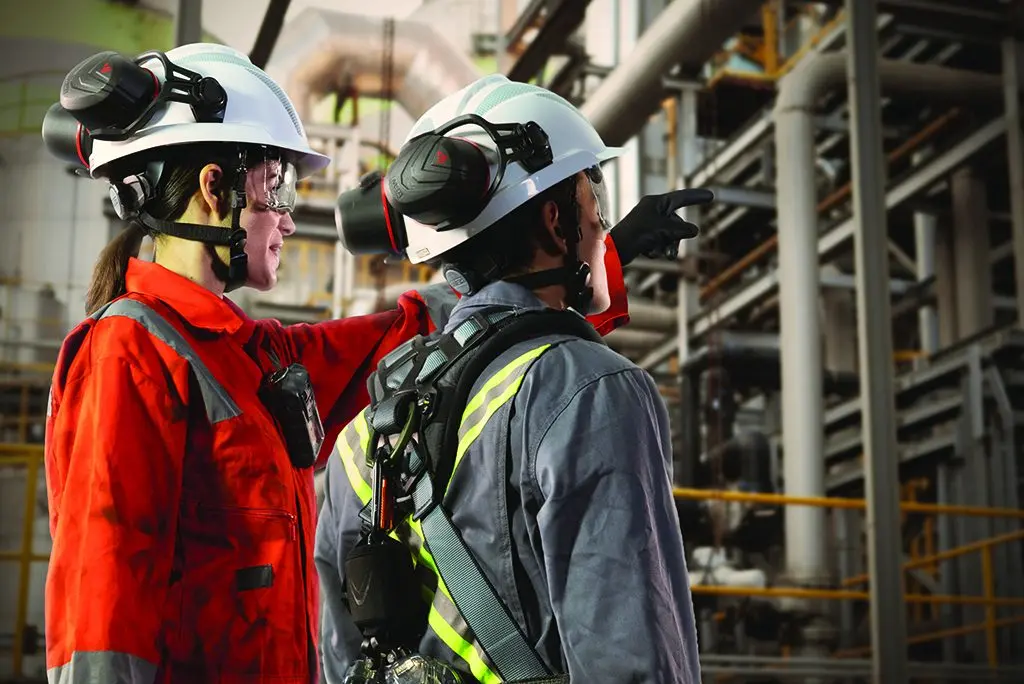
Wearing PPE is mandatory on construction sites. This includes hard hats, safety boots, reflective vests, gloves, and eye protection. Proper PPE significantly reduces the risk of injury.
4. Working at Height Safety
Falls are one of the leading causes of injuries in construction. Proper scaffolding, guardrails, and use of harnesses are essential when working at height.
5. Equipment and Machinery Safety
Only trained personnel should operate heavy machinery. Regular inspection and maintenance of equipment ensure safe operations and prevent unexpected failures.
6. Site Housekeeping
A clean and organized site reduces risks such as slips, trips, and falls. Materials should be stored properly, and waste should be disposed of regularly.
7. Safety Training and Toolbox Talks
Daily toolbox talks and regular training sessions keep workers informed about safety procedures and site-specific risks.
8. Emergency Preparedness
Construction sites must have clear emergency plans, including evacuation routes, fire safety measures, and first aid availability.
Conclusion
Strong HSE practices in construction are essential to protect workers and ensure project success. A proactive safety culture not only reduces accidents but also builds trust and efficiency on site.
Related articles
More insights from SkillTech.